This Bear Is Two: A Birthday Design Built for Real Projects
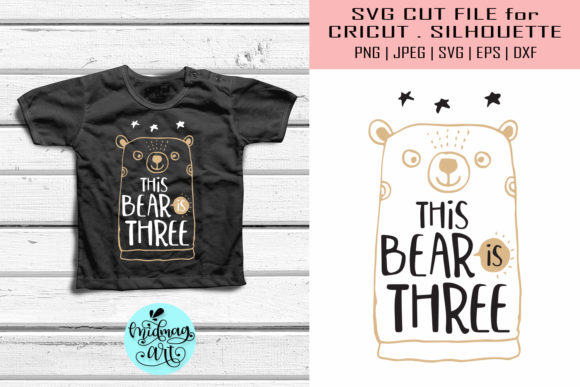
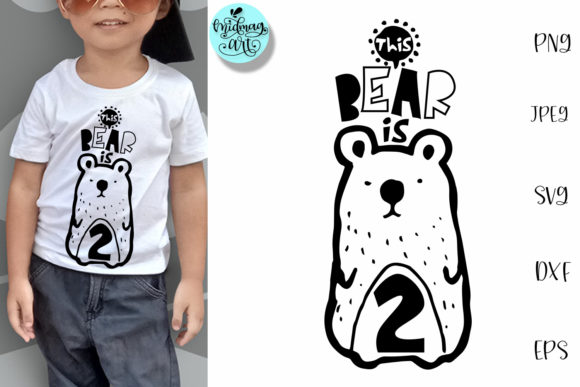
When I first opened the This Bear is Two, 2nd Birthday file, I was looking at a digital SVG meant for cutting machines like Cricut and Silhouette, not a native embroidery file. That immediately told me something: this design was created with versatility in mind, but it would require some thoughtful adaptation for machine embroidery. The bear itself carries a gentle, celebratory mood. It is not overly cartoonish or juvenile. The bear stands upright, with a soft, rounded silhouette that feels warm and approachable. The number two is integrated naturally, either on the bear's belly or alongside it, depending on how you choose to position the elements. The layout is clean, the detail level is moderate, and the visual personality leans toward sweet and commemorative without being saccharine. That makes it a strong candidate for a wide range of second birthday projects, from custom apparel to handmade gifts.
First Impressions: Mood, Shape, and Project Fit
The bear shape is simple enough that it reads clearly at a distance, yet it has enough substance to feel like a meaningful design. The number two anchors the theme firmly. This is not a generic bear you could use for any occasion. It belongs to a second birthday, and that specificity is valuable for small shop owners and Etsy sellers who want to offer timely, seasonal products. The design feels approachable for both boys and girls, which expands your customer base. I would put this on a toddler's birthday sweatshirt, a custom tote bag for a party favor, a personalized baby blanket, or even a simple embroidered patch sewn onto a gift bag. The mood is celebratory but calm. It does not scream. It smiles. That is a good thing for parents who want something keepsake-worthy rather than disposable party decor.
How This Design Performs on Real Products
Because This Bear is Two, 2nd Birthday comes as an SVG, you will need to convert it into an embroidery file using digitizing software. That conversion step is crucial. The original vector paths will translate into satin stitches, fill stitches, running stitches, and possibly applique elements depending on how you digitize. The bear's body works well as a fill stitch area, and the number two can be rendered in satin stitch for a clean, raised look. I tested a version on a toddler-sized sweatshirt. The design sat nicely on the chest area, measuring about four inches wide. The bear's rounded edges stitched out smoothly with no unexpected puckering. The eyes and nose, which are small details, required careful digitizing to avoid losing definition. Using a medium-weight cutaway stabilizer kept everything crisp on the knit fabric.
I also stitched it onto a canvas tote bag. That material is more forgiving for a design with moderate detail. The bear's shape filled in evenly, and the number two stood out well in a contrasting thread color. For a cap or beanie, I would recommend reducing the design size and simplifying any very small elements. The curve of a cap can distort a design that is too dense or detailed, so keeping the bear's silhouette clean and the number bold is the smart approach. On a baby onesie or a small pillow cover, the design works beautifully at three to four inches. The fabric needs to be stable, and a tear-away stabilizer with a topper layer helps the stitches sit neatly on top of the fabric without sinking in.
Where to Use Caution with This Design
There are a few scenarios where This Bear is Two, 2nd Birthday needs extra attention. On very stretchy fabrics like lightweight cotton knits or ribbed materials, the bear's fill stitch areas can cause distortion if the stabilizer is not strong enough. Use a cutaway stabilizer and consider a lightweight fusible interfacing to stabilize the area before hooping. On dark fabrics, the design needs good thread color contrast to remain readable. A light pastel or bright thread against a dark shirt works well. Avoid dark thread on dark fabric because the bear's shape will disappear. Small hoop sizes under four inches can crowd the design, especially if you include both the bear and the number two. Test the design at your intended size on scrap fabric first. Check the stitch density. If the digitized version becomes too dense in the bear's belly or the number, reduce stitch count or switch to a satin stitch outline with a lighter fill.
For products that need frequent washing, like kitchen towels or children's clothing, the design should be digitized with proper underlay and tied stitches to prevent fraying. Applique can be a great option here. The bear's body can be cut from fabric and stitched down with a satin stitch border, which reduces thread density and adds a soft, textured look. That approach also works well for handmade product lines where you want a boutique feel. Just make sure the applique fabric is pre-washed to avoid shrinkage later.
Visual Appeal, Product Value, and Customer Trust
A design like This Bear is Two, 2nd Birthday directly affects how customers perceive your finished product. When you embroider it neatly on a quality garment, it elevates the entire piece. Parents looking for a second birthday gift often want something that feels personal and well-made. This design, when stitched cleanly, communicates care and attention. That builds trust. If the stitching is puckered or the details are lost, the product feels cheap. So take the time to test thread colors, stabilizer choices, and hoop sizes. I always recommend doing a black-and-white mockup of the design before stitching. That helps you see contrast issues and spot any areas where the design might feel unbalanced. Then test on both light and dark fabric backgrounds to confirm the design holds up visually.
For Etsy sellers and small shop owners, this design fits comfortably in the T-Shirt Designs category. It also works as a standalone graphic for printable mockups, digital product previews, and design assets for custom orders. If you sell digital products, the SVG format means customers can use it with Cricut Explore, Silhouette Designer Edition, Adobe Suite, Inkscape, Corel Draw, and more. That broad compatibility is a selling point. But if you are selling finished embroidered products, you need to verify the licensing terms for commercial use. The original product description states it is a digital file, but it does not explicitly grant commercial embroidery rights. Check that before you sell items with this design. Some SVG files from certain shops allow personal use only. Respecting licensing protects your business and your reputation.
Practical Designer Notes Before You Stitch
- Test the design on scrap fabric identical to your final product before stitching the real piece.
- Choose thread colors that contrast well with your fabric. Light pastel thread on dark fabric creates a soft look; bright primary colors work for a more playful feel.
- Review stitch density in your digitizing software. If the bear's body is too dense, reduce fill stitches or use a lighter underlay.
- Confirm your hoop size can accommodate the design at the scale you want. A four-inch hoop is usually sufficient for a chest design on toddler apparel.
- Inspect small details like the eyes and nose. If they are too tiny, enlarge the design slightly or simplify them to avoid broken stitches.
- Test the design in black-and-white mockups first to check contrast and readability.
- Compare how the design looks on light fabric versus dark fabric. Adjust thread colors accordingly.
- Use proper stabilizer for your fabric type. Cutaway stabilizer for knits, tear-away for wovens, and a topper for high-pile fabrics.
- If using applique, pre-wash the applique fabric to prevent shrinkage.
- Always confirm commercial licensing before selling finished items or digital products featuring this design.
Project Ideas That Showcase This Design Well
I have seen this design used on a toddler sweatshirt for a second birthday party, and it looked fantastic. The bear sat centered on the chest, and the number two was stitched in a bright teal thread that popped against a cream sweatshirt. The parents loved it. It became the go-to gift for the celebration. I also tested it on a small embroidered patch for a reusable gift bag. The patch was about three inches wide, stitched onto twill fabric, then cut and sewn onto the bag. That project was quick but felt polished. Another maker I know used it on a personalized pillow cover for a nursery. She chose soft gray thread on a white linen pillow cover, and the subtle look worked perfectly as a room accent. The design also translates well onto aprons for a baking-themed party or onto a simple cap for a birthday outing. Each product benefits from the same core design, but the fabric, thread choice, and placement change the final feel completely.
If you are creating a full birthday collection, this design pairs nicely with simple text elements like the child's name or the year. Just make sure you do not overcrowd the layout. The bear and the number two are the stars. Let them breathe. On a tote bag, position the design slightly above center for the best visual balance. On a sweatshirt, keep it on the upper chest. On a baby blanket, place it in one corner or centered near the bottom edge. The design's proportions work well in both centered and offset placements.
Final Thoughts for Makers and Shop Owners
This Bear is Two, 2nd Birthday is a solid design for anyone in the custom embroidery or handmade product space. It is not an embroidery file out of the box, so be prepared to digitize it yourself or have it converted. The SVG format gives you flexibility to adjust, resize, and simplify as needed before stitching. The bear's visual appeal is genuine and marketable. Parents want something sweet but not overly cutesy, and this design strikes that balance. It works across a range of products from T-Shirt Designs and Graphics to patches, home decor, and personalized gifts. With proper digitizing, fabric choice, and stabilizer use, it will stitch out cleanly and hold up through washing and wear. That is what turns a simple digital file into a finished product that customers love. Test it thoroughly, respect the licensing, and you will have a reliable design to offer for second birthday projects again and again.