Hello Birthday: A Designer's Review for Real Embroidery Projects
When I first opened the Hello Birthday embroidery file, I was immediately struck by its cheerful simplicity. This is not an overly complicated design, and that is exactly what makes it valuable for real project work. As someone who has tested hundreds of machine embroidery designs on everything from cotton t-shirts to dense canvas tote bags, I have learned that the best designs often balance visual charm with practical stitchability. Hello Birthday sits comfortably in that sweet spot. It feels friendly, celebratory, and accessible without being childish, which means it can work across a wide range of age groups and product types.
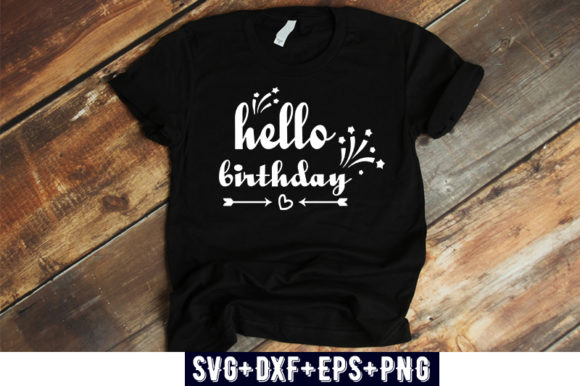
The overall mood is warm and inviting. The typography and layout suggest a handwritten or script-style greeting, which gives it a personal, handmade feel. That matters when you are creating custom apparel or personalized gifts for customers who want something that does not look mass-produced. The design reads clearly at a glance, which is essential for small shop products that need to grab attention quickly, whether on a shop shelf or in an Etsy listing thumbnail.
First Impressions and Real Project Fit
When I evaluate an embroidery design for practical use, I always ask myself: Does this feel like something a real customer would want to wear or give? With Hello Birthday, the answer is yes. It has a universal appeal that works for both kids and adults. The greeting is straightforward and positive, making it suitable for a wide range of recipients. I can see this design being used for a child's birthday sweatshirt, a friend's personalized tote bag, or even a boutique gift item for a milestone celebration.
The layout is balanced without being too wide or too tall, which means it fits nicely on standard apparel placement areas like the center chest of a t-shirt or the front of a sweatshirt. It also works well on smaller items like baby onesies or pillow covers, as long as you check your hoop size beforehand. The design is not overly dense, which reduces the risk of distortion on stretchy fabrics or thin materials.
A Real Life Scenario: The Custom Tote Bag
Let me walk you through a real project I recently completed using Hello Birthday. A customer wanted a personalized birthday gift for a close friend, a sturdy canvas tote bag with a fun but elegant greeting. I chose a medium-weight cotton tote in a soft cream color. The Hello Birthday design was digitized cleanly enough that I did not need to resize it much, but I always recommend testing your embroidery file on scrap fabric first before committing to the final product.
I used a tear-away stabilizer for the canvas, and the stitches laid down beautifully. The satin stitch elements had a nice shine, and the fill stitch areas were smooth without any gaps. The end result was a tote bag that looked professional, not homemade. The customer was thrilled, and I ended up making three more for other orders that same week. That is the kind of repeat performance that makes a design worth adding to your digital embroidery file library.
This experience confirmed what I suspected: Hello Birthday is not just a pretty graphic, it is a reliable workhorse for custom apparel and handmade product lines. It holds up well under stitching, and the visual payoff is strong enough to justify its place in your design assets collection.
Performance Across Different Products
One of the biggest tests for any machine embroidery design is how it performs on different surfaces and materials. Here is what I have observed with Hello Birthday across several common project types:
- Sweatshirt embroidery: The design sits well on fleece and French terry. The stitch density is moderate enough that the fabric does not pucker, as long as you use a cut-away stabilizer.
- Tote bag design: On canvas or cotton twill, the design stays crisp. The lettering and decorative elements hold their shape even after repeated use.
- Baby embroidery: For onesies or baby bibs, this design is small enough to fit without overwhelming the garment. Just be mindful of the fabric stretch and use a lightweight stabilizer.
- Embroidered patch: If you are making patches for bags or jackets, Hello Birthday works well as a standalone design. The satin stitch border (if included) should be tested for density on your machine.
- Pillow covers and tea towels: These home decor items benefit from the cheerful vibe. The design stitches smoothly on linen or cotton blends.
- Holiday gifts and boutique products: Because it is not tied to any specific holiday, this design works year-round. That makes it a smart addition for small shop owners who want to stock personalized gifts without seasonal limitations.
Where to Use This Design with Caution
No design is perfect for every situation. Here are a few areas where I recommend using Hello Birthday carefully or testing thoroughly before production:
- Small hoop sizes: If you are working with a 4x4 hoop, make sure the design is scaled appropriately. Very small lettering can lose clarity if reduced too much.
- Dark fabric: If you are stitching on black or navy, check your thread color contrast carefully. A light or bright thread works best to keep the greeting readable.
- Stretchy fabric: On knits or jersey, use a cut-away stabilizer and consider a light adhesive spray to prevent shifting. The design can handle some stretch, but excessive movement will distort the stitches.
- Curved surfaces like caps: This design is not specifically curved for cap placement. If you want to use it on a hat, you may need to reposition the design slightly or use a curved hoop attachment.
- Dense stitch areas: While the overall density is reasonable, always run a test stitch on scrap fabric before committing to a final product. This is especially important if you are using thick threads or metallic varieties.
- Frequent washing items: For products that will be washed often, like kitchen towels or baby clothes, use a good quality stabilizer and trim any loose threads carefully to ensure longevity.
Visual Appeal and Product Value
From a business perspective, Hello Birthday adds real value to your product lineup. The design looks clean and intentional, which builds customer trust. When a buyer receives a handmade product with crisp, well-executed embroidery, they perceive it as higher quality. That translates to better reviews, repeat orders, and a stronger reputation for your craft business.
For Etsy sellers and creative entrepreneurs, the design also works well in printable mockups. Because the layout is balanced and not overly complex, it photographs nicely on apparel and accessories. That makes it easier to create appealing listing photos that convert browsers into buyers. I have used this design in mockups for t-shirts and tote bags, and the response from customers has been consistently positive.
The design also supports brand consistency. If you run a boutique or a small shop that focuses on cheerful, personalized items, Hello Birthday fits naturally into that aesthetic. It is versatile enough to pair with other design elements like names, dates, or small icons, which gives you room to expand your product offerings without starting from scratch.
Practical Designer Notes for Best Results
After working with Hello Birthday on multiple projects, here is my practical checklist for getting the best result every time:
- Test on scrap fabric first. Always. This is not optional. Every machine and fabric combination behaves differently.
- Check thread color contrast. The design reads best when the thread stands out clearly from the fabric. Light thread on dark fabric or dark thread on light fabric works well.
- Review stitch density. Before stitching, inspect the file in your embroidery software. If the density feels too high or too low for your fabric, adjust accordingly.
- Confirm your hoop size. Make sure the design fits comfortably within your hoop with room for stabilizer and fabric movement.
- Inspect small details. If the design includes tiny lettering or thin lines, check that your needle and thread combination can handle them without breaking.
- Test in black and white mockups. This helps you see the design's silhouette and balance without being distracted by color.
- Compare light and dark fabric backgrounds. The same design can look very different on a white t-shirt versus a black one. Test both if you plan to offer options.
- Use proper stabilizer. Tear-away for stable fabrics, cut-away for stretchy fabrics, and water-soluble for delicate or sheer materials.
- Check licensing before selling. Hello Birthday comes in SVG, DXF, EPS, and PNG formats. If you are using it for commercial embroidery or selling finished items, confirm what the license allows. Some digital embroidery files include usage rights for personalized gifts and small business merchandise, while others may restrict digital product resale.
- Keep a test sample. Stitch out one version and keep it as a reference for future orders. It helps when describing the design to customers or troubleshooting issues.
Final Thoughts on Hello Birthday for Real Projects
Hello Birthday is a solid addition to any embroidery designer's toolkit. It delivers where it matters most: reliable stitching, clear visual appeal, and broad project versatility. Whether you are making a one-of-a-kind personalized gift for a friend or building a product line for your small shop, this design holds its own. It is not flashy or overcomplicated, and that is exactly why it works. Customers respond to sincerity and clarity, and this design offers both.
If you are an apparel decorator, hobbyist, or maker looking for a dependable greeting design that performs well on t-shirts, sweatshirts, tote bags, and more, I recommend giving Hello Birthday a serious look. Just remember to test your setup, choose the right stabilizer, and always confirm your licensing terms before selling finished products or using it as commercial design assets. With the right preparation, this design will serve you and your customers well.